
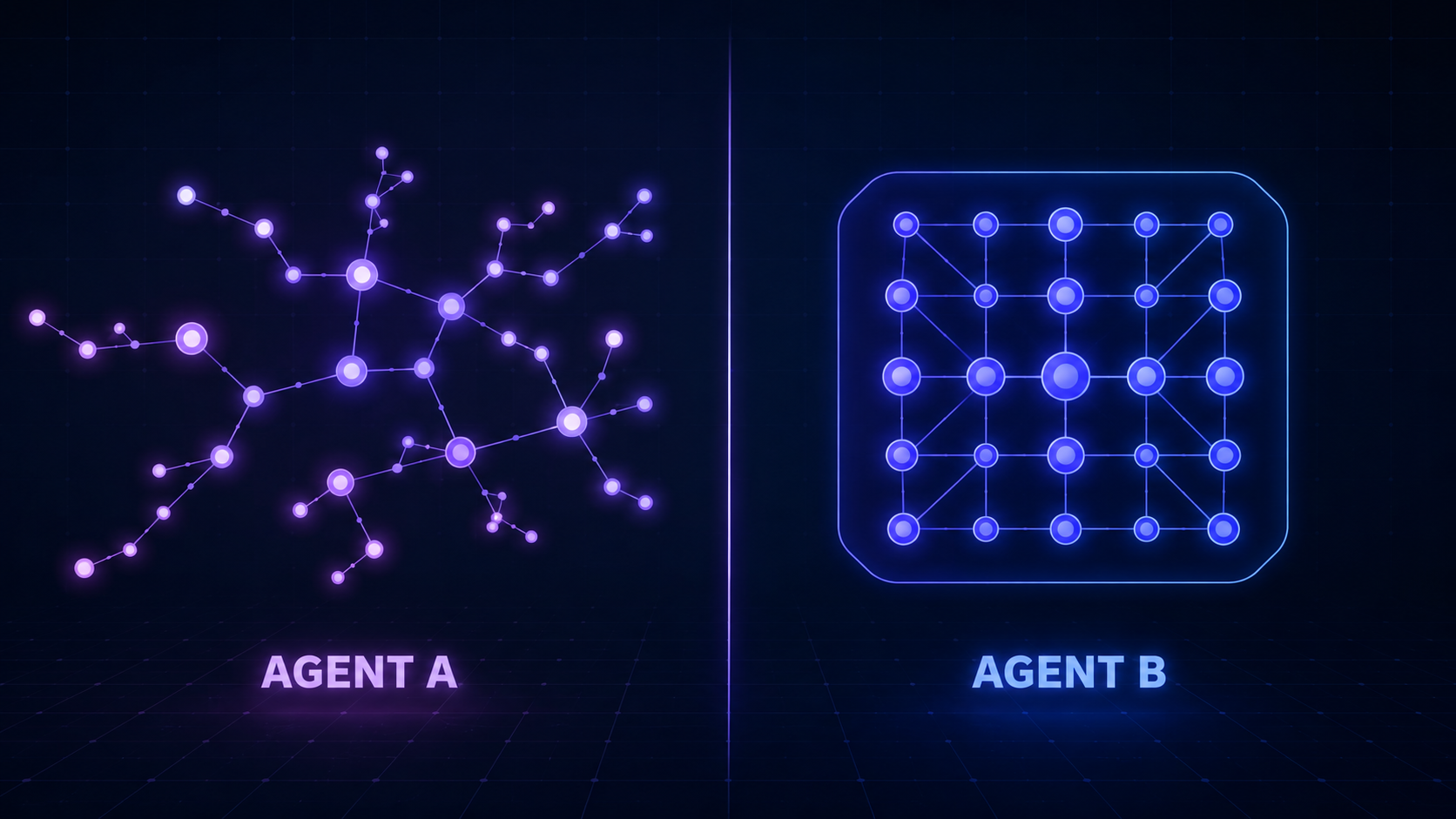
Picture two engineering teams looking at the exact same shortlist of AI coding tools. They both narrow it down to Tabnine and Codex. They both do their homework. And they walk away picking opposite tools - and they're both right.
That's the thing nobody tells you about this comparison: Tabnine and Codex aren't really trying to win the same contest. Codex is built to show you how capable an AI agent can get. Tabnine is built around a much less exciting, much more practical question - does your code ever have to leave your building? Once you see that's the actual fork in the road, "which one is better" stops being the right question. "Which one fits us" is the one that matters.
What Codex actually is
Forget the "autocomplete that finishes your sentence" idea - that's the old Codex from years ago. The current version works more like handing a task to a junior-to-mid-level engineer. You describe what you need, it goes off and works on its own - reading your repository, editing files across your project, running tests in its own sandboxed environment - and comes back with a finished pull request, the terminal logs, and an explanation of what it did.
It shows up almost everywhere a developer already works: inside your code editor, in the terminal, in a web app, on your phone, and connected directly to GitHub. Independent benchmark testing has consistently put its autonomous task-completion rate well ahead of most rivals, which is a big part of why it's become a daily habit for so many teams so quickly.
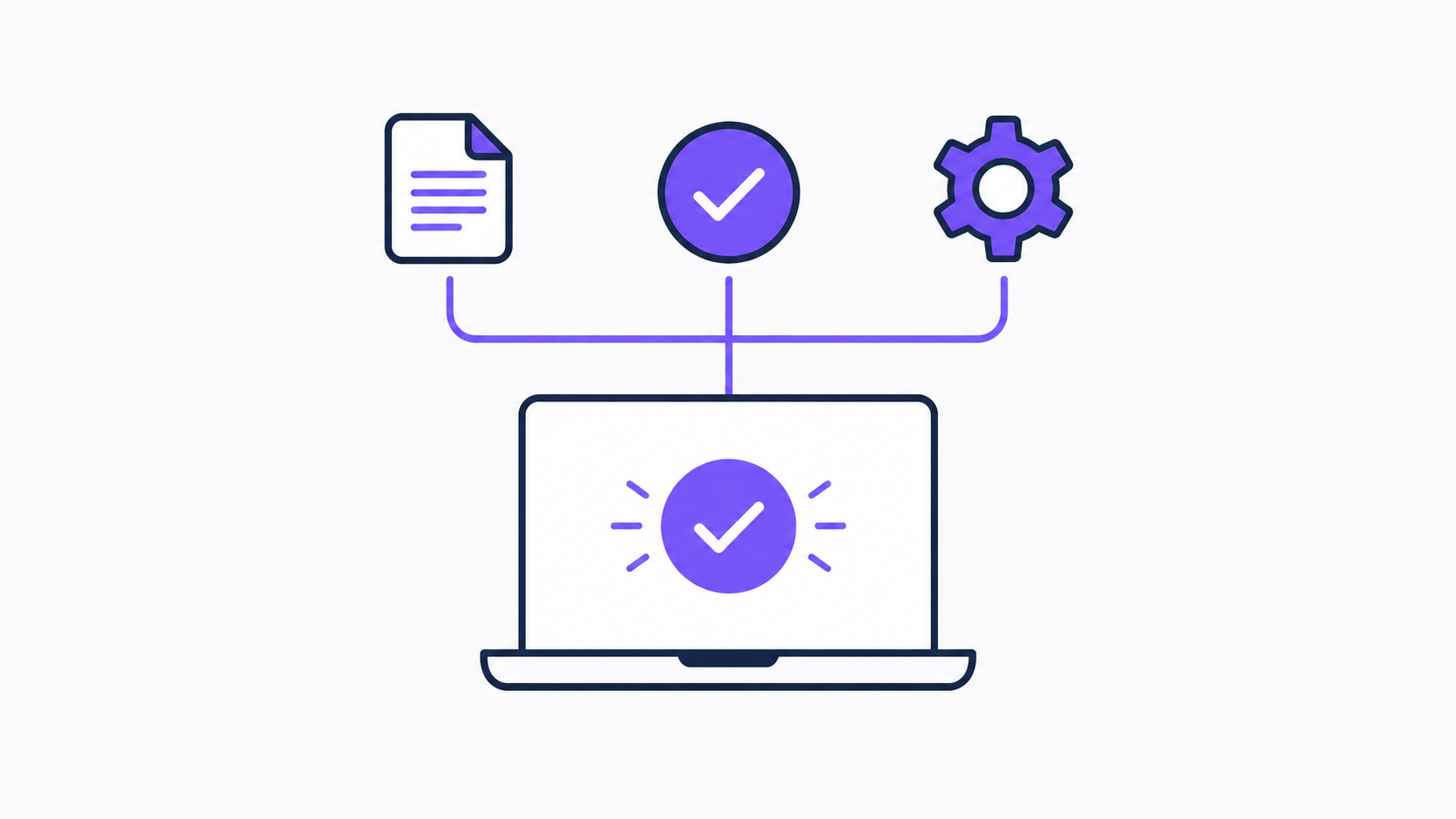
Here's the trade-off, though: it runs in OpenAI's own cloud. There's no option to keep it entirely inside your own servers. For a huge number of teams that's a complete non-issue. For some, it's an automatic disqualifier before you even get to compare features.
What Tabnine actually is
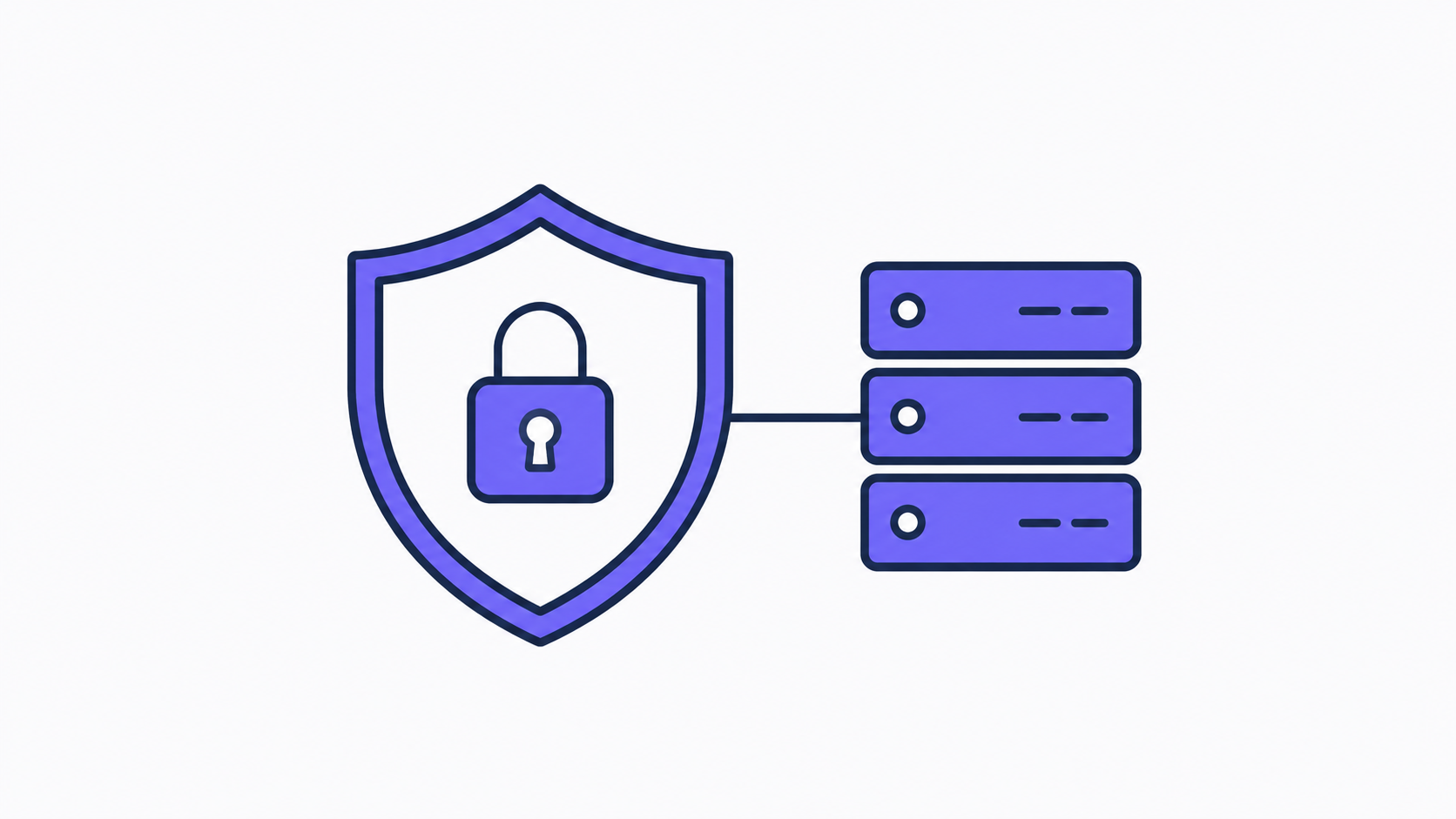
Tabnine's entire identity is built around the opposite promise. Instead of "here's how capable we are," it's "here's how little your code ever has to trust us." Practically, that means Tabnine can run in a mode where your code genuinely never touches the public internet - it lives entirely inside your own infrastructure, air-gapped if you need it that strict. There's also a private-cloud option (your own cloud account, Tabnine never sees it) and a standard cloud option for teams who don't need any of that. You pick the level of lockdown that matches your situation, instead of being stuck with one.
It backs that up with a genuine, contractual promise that your code is never used to train its models - not just a line in a blog post, an actual guarantee. It also carries the compliance paperwork (SOC 2, GDPR, ISO 27001 - the certifications a security or legal team checks before they'll approve any tool at all) that matters enormously in industries like healthcare, finance, government, and defense.
The honest trade-off: several independent reviewers who've tested both note that Tabnine's raw completion quality and reasoning ability trail Codex and similar tools on genuinely complex tasks. It's not really trying to win that fight. It's optimized for teams where "can we even use a cloud AI tool at all" was the real question long before "which one is smartest."
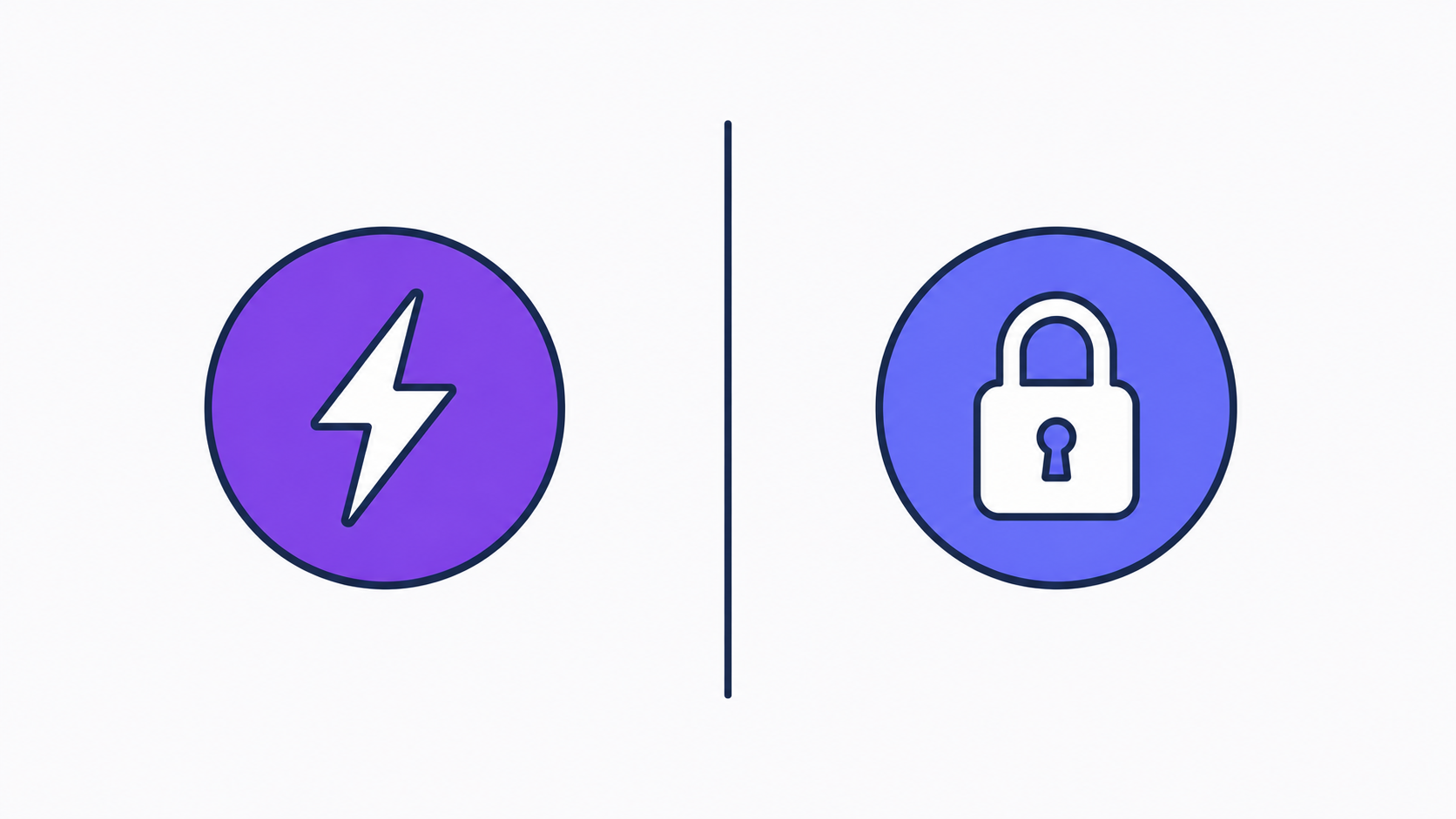
The real question: capability vs. control
If your company would land in genuine trouble - an audit finding, a compliance violation, a client contract breach - the moment code touches an external server, that single fact removes Codex from consideration before you've compared a single feature. That's not a knock on Codex; it simply wasn't built for that constraint.
If you don't have that constraint, the conversation flips entirely. Now it's about how much raw autonomous capability you actually want on tap, and Codex is deliberately built to be the more powerful option there.
What it actually costs a real team
Numbers are more useful than percentages, so here's what a 5-person engineering team would actually pay per month, roughly:
Codex: around $100-125/month total on the team-oriented tier, with the option to go higher per person for heavier individual usage.
Tabnine: around $195-295/month total, depending on whether you need the full agentic tier - noticeably pricier for the same headcount, which is the cost of that privacy architecture.
Neither number includes an enterprise-scale deployment, where both companies move to custom, quoted pricing instead.
The quick version
Pick Tabnine if: you're in a regulated industry, your security team would reject anything that sends code to an external server, or you need on-premises or fully air-gapped deployment as a hard requirement, not a nice-to-have.
Pick Codex if: you don't have that hard data-residency constraint, and you want the most capable autonomous coding agent you can get, at a lower cost of entry per seat.
Neither answer is the "winner." A benchmark score can't tell you whether your legal team will sign off on a tool - and a compliance certificate can't tell you whether an agent is actually good enough to trust with real work. Before you commit to either, it's worth reading what real teams using each one are actually saying - both agents are listed on RightAgent with genuine user reviews, not just vendor claims, so you can check whether other teams in situations like yours ended up happy with their pick.