About this agent
Simple AI is a paid SaaS platform that provides voice AI phone agents for sales and customer‑support teams. The service automates inbound calls, qualifies leads, conducts surveys, and handles debt‑collection tasks through a conversational interface that mimics a human representative. Pricing is not listed publicly, and interested organizations must contact the sales team for a quote. It is positioned for companies that want to replace manual follow‑up calls with AI‑driven interactions, and it can be deployed across communication channels.
What it does
Simple AI replaces a human representative on the phone with an AI‑driven agent that can answer, qualify, and upsell callers in real time. When a prospect calls, the system greets them, asks qualifying questions, and routes the call to the appropriate sales or support queue based on intent. The platform reports a 20 % lift in conversion and upsell rates for inbound sales, a 25 % increase in leads that become qualified, and a 30 % boost in appointment‑booking success. It also records every interaction, providing automatic quality monitoring and transcript analysis that help managers coach agents and spot trends without manual review. For debt‑collection scenarios, the AI follows a scripted compliance path, reminding overdue customers and offering payment options while preserving a courteous tone.
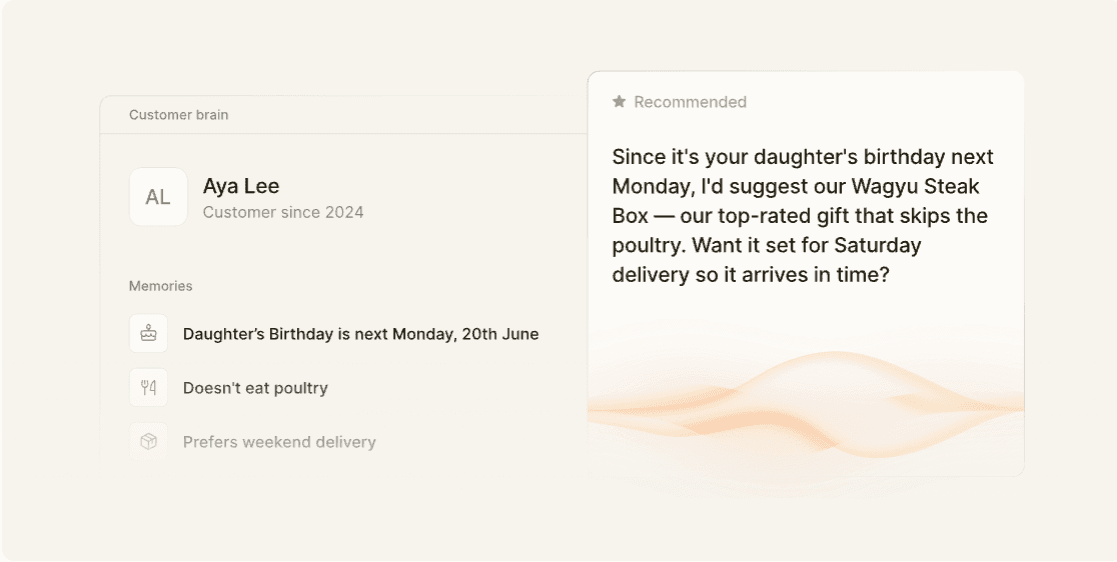
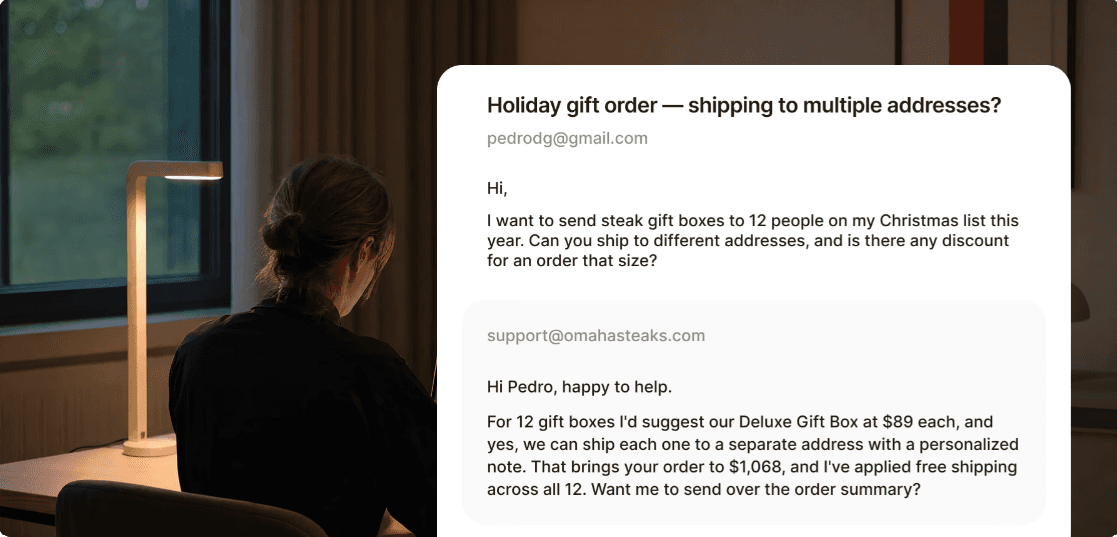
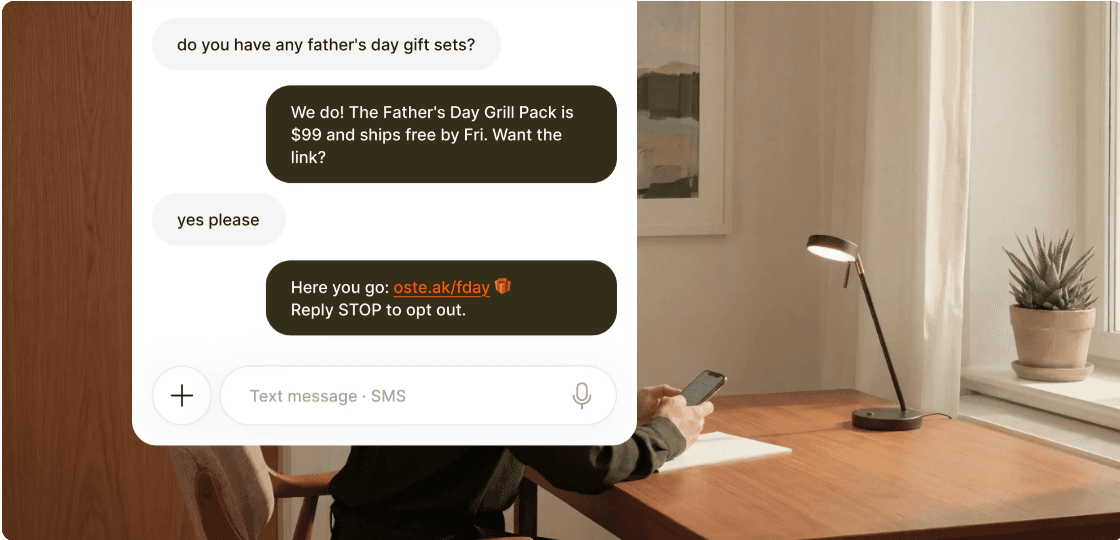
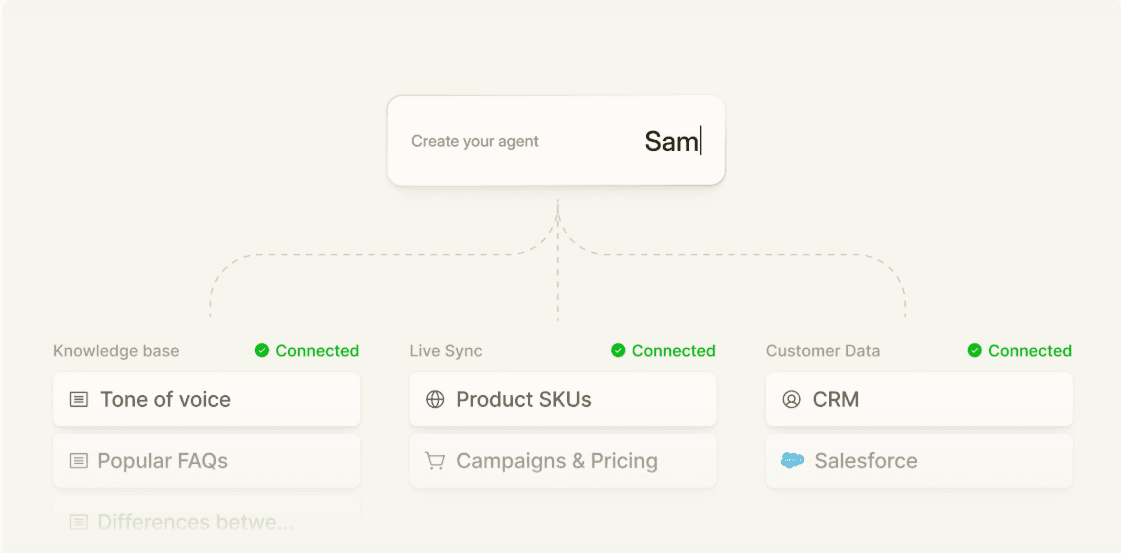
Beyond voice, Simple AI can be pointed at a company’s website or product catalog so that the agent knows current SKUs, pricing tiers, and regional rules. The same AI instance can continue the conversation over web chat, SMS, or email, picking up where the call left off. Live suggestions appear to human operators via the Agent Assist feature, delivering objection‑handling tips mid‑call. Because the system pulls live data from the site, it stays up‑to‑date without requiring manual script revisions, and it can be customized out‑of‑the‑box for each brand’s voice and compliance requirements.
Key features
AI Phone Agents – Conversational agents answer inbound calls, ask qualifying questions, and close sales or resolve support issues without human intervention.
Inbound Sales – The platform guides callers through product recommendations and upsell opportunities, delivering the reported +20 % conversion and upsell lift.
Customer Support – AI handles routine inquiries, resolves common problems, and flags moments where a human handoff is needed.
Lead Qualification – Callers are scored for intent, and qualified prospects are routed to the appropriate sales rep, contributing to the +25 % lead conversion metric.
Customer Surveys – After a call, the agent can launch a short survey, automatically aggregating feedback and surfacing trends.
Debt Collection – The AI follows compliance‑aware scripts to remind overdue accounts, propose payment plans, and record outcomes.
Data Collection – Structured information such as order numbers or preferences is captured live during the conversation and stored in the CRM.
Agent Assist – Real‑time suggestions appear on the human agent’s screen, offering objection‑handling language and next‑step prompts.
Quality Monitoring – Every call is transcribed, scored, and analyzed automatically, providing managers with actionable coaching data.
Multi‑Channel Deployment – The same AI persona operates over phone, web chat, SMS, and email, ensuring continuity across all customer touchpoints.
Who it's for
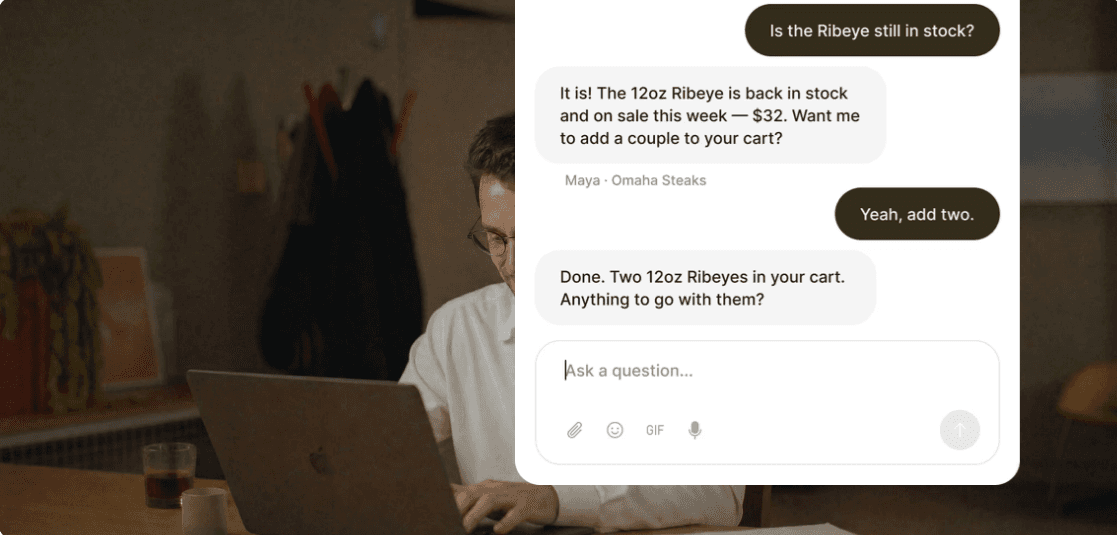
Simple AI is aimed at sales operations, inside‑sales, and customer‑support teams that handle high volumes of inbound calls. Typical users include sales managers at mid‑size SaaS firms, retail chains that need to qualify foot‑traffic leads, financial services groups managing debt‑collection outreach, and hospitality brands conducting post‑stay surveys. The product cites Omaha Steaks as a reference customer, where the solution achieved 70 % call containment and a 25 % revenue increase. Companies that already use a CRM or ticketing system and want an AI layer that can pull product data from their website will find the platform a natural fit.
Pricing
Simple AI follows a paid pricing model, but the exact tiers and amounts are not published on the website. Prospects must request a quote through the “Contact Sales” form or schedule a demo to discuss usage volume, feature set, and support level. The company indicates that pricing is enterprise‑oriented, suggesting that costs scale with the number of concurrent agents and the breadth of channel coverage.
Screenshots

Comments (0)
Sign in to join the conversation
Sign inNo comments yet. Be the first!